Marketing Insight
Understanding Multi-Touch Attribution in 2026
Feb 25, 2026•Arri Editorial Team•9 min read
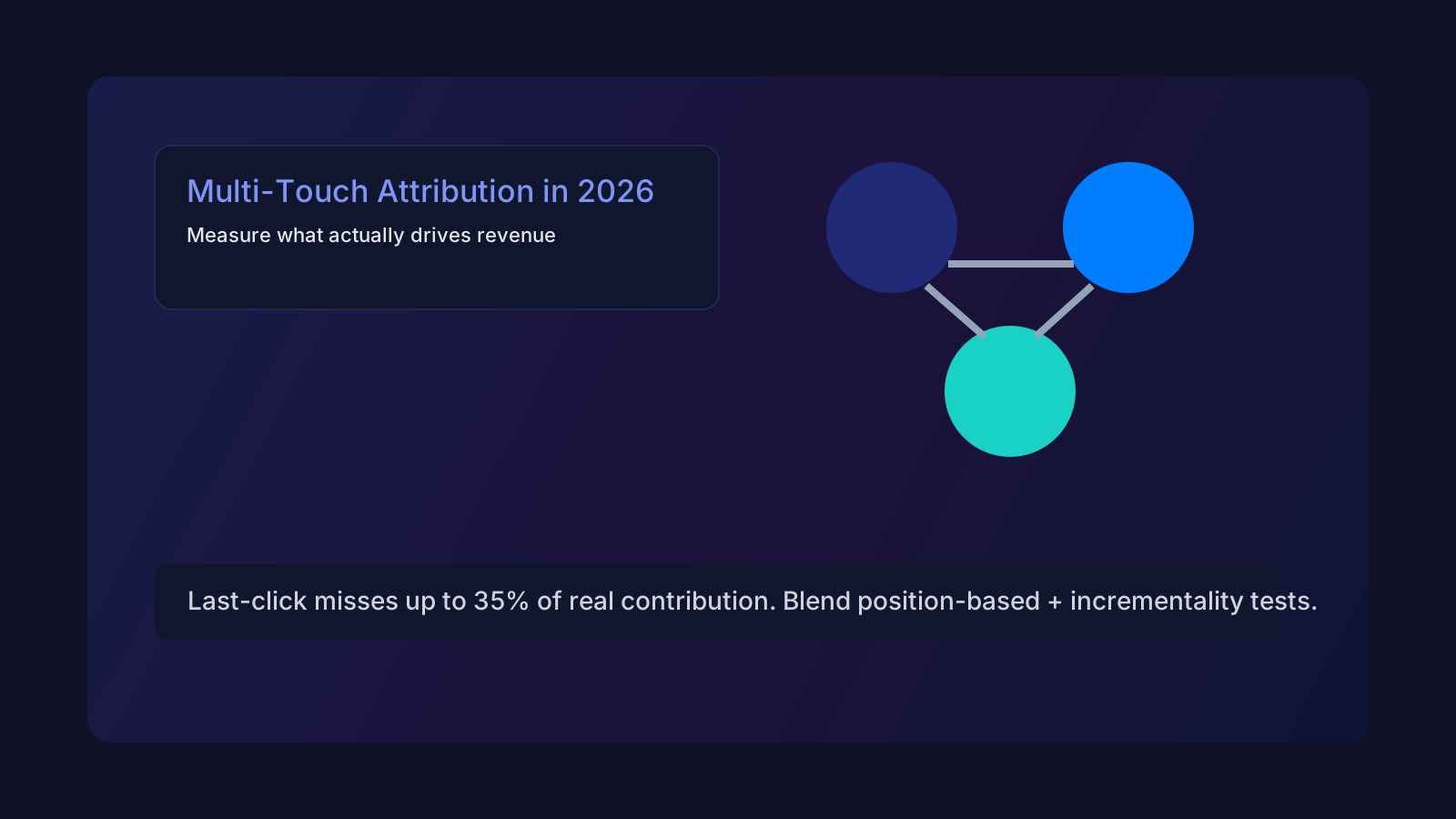
Last-click reporting is easy to read and easy to misinterpret. In 2026, high-performing teams use blended attribution to understand how channels work together across discovery, consideration, and conversion.
Key Takeaways
- Last-click is useful for reporting but weak for strategic budget decisions.
- Position-based models provide better directional truth for growth planning.
- Incrementality testing is essential when channel overlap is high.
1) Choose a model that matches the decision
Different decisions require different attribution views. For channel budget planning, a position-based model often reflects reality better than last-click. For tactical conversion analysis, short-window click attribution can still be useful.
Define one primary model for leadership decisions and one diagnostic model for execution teams.
2) Separate correlation from causation
A channel touching many conversions does not guarantee it caused them. This is where incrementality testing matters. Use geo splits, holdout groups, or controlled spend shifts to estimate true lift.
Without this layer, teams often over-invest in channels that are great at getting credit but weak at creating new demand.
3) Build a weekly attribution operating rhythm
Attribution is not a quarterly exercise. Build a weekly rhythm: review blended contribution by channel, compare to spend share, and identify overfunded vs underfunded bets.
Then execute one or two controlled reallocations each week. Small, disciplined budget moves outperform large reactive changes.
Get channel-level clarity without the spreadsheet chaos
Arri summarizes contribution, flags attribution blind spots, and recommends where to shift budget with confidence.
Get early access